

Exquisite Corpse
with works by Loie Hollowell, Kiki Kogelnik, Veronika Pausova, Sascha Braunig
11 SEP – 11 NOV 2026
Opening – 10 SEP 2026, 6–10 pm
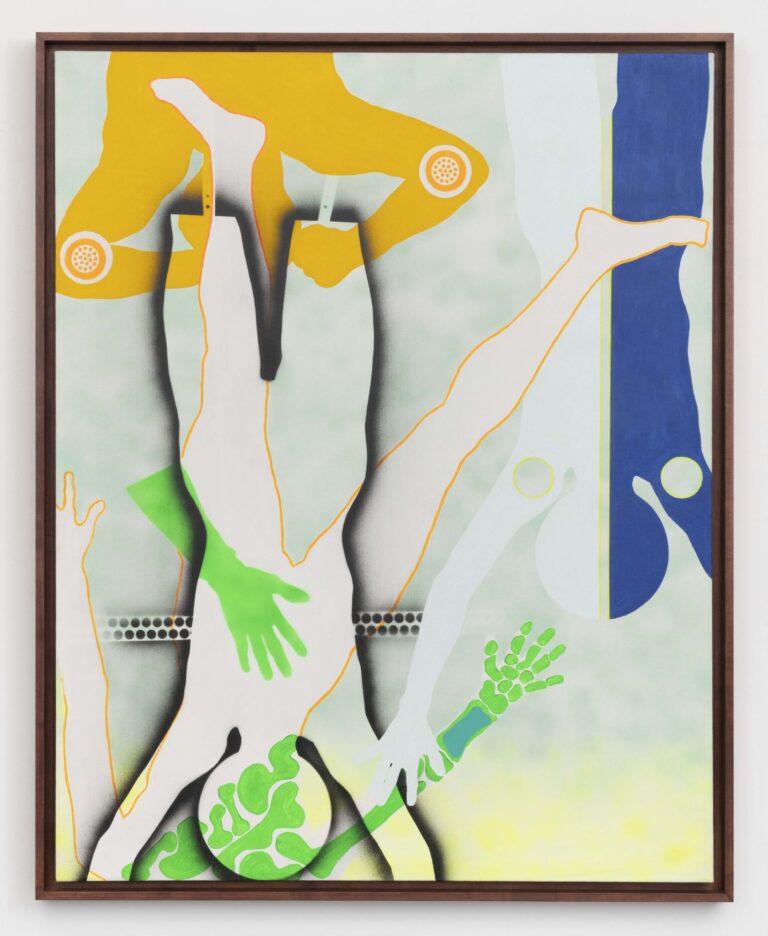
Kogelnik, Kiki
Cold Passage, 1964
oil and acrylic on canvas
59-3/4″ × 48″ (151.8 cm × 121.9 cm)
62-1/2″ × 50-3/4″ × 2-3/4″ (158.8 cm ×
128.9 cm × 7 cm), frame
© Kiki Kogelnik Foundation. All rights reserved
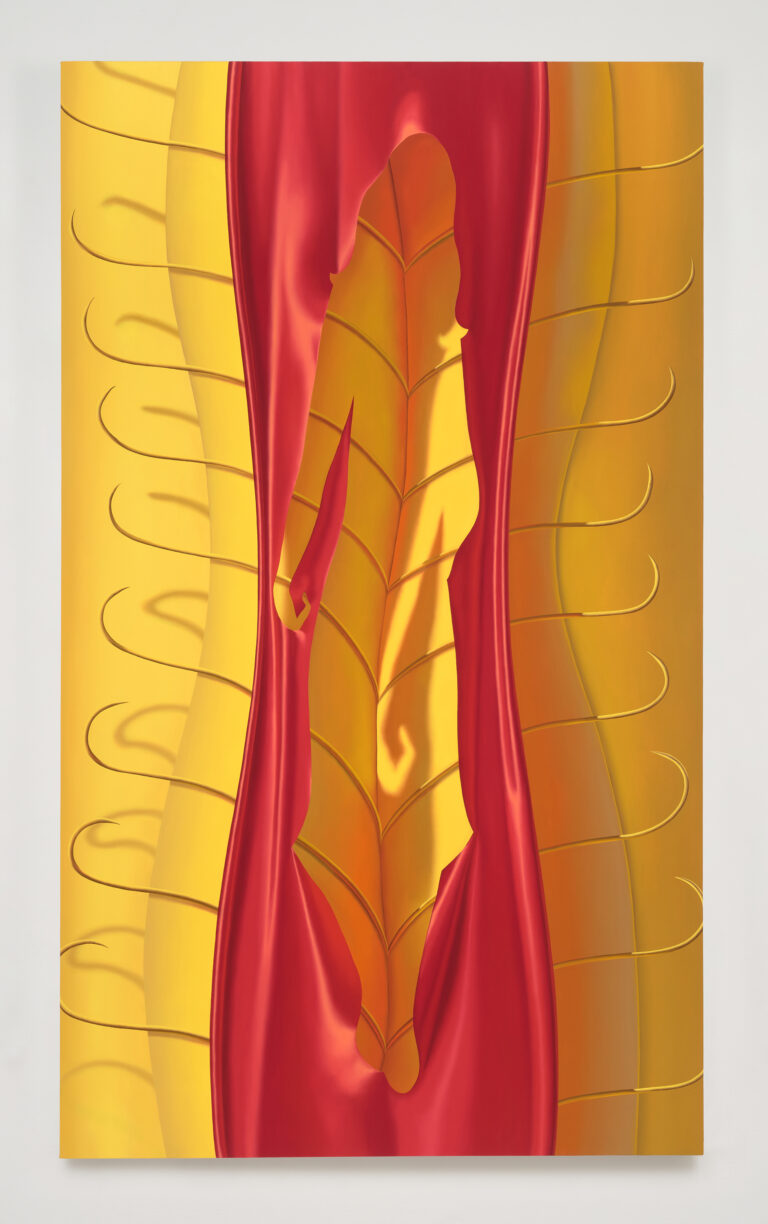
Braunig, Sascha
Possession, 2024
oil on linen over panel
68″ × 40″ (172.7 cm × 101.6 cm)
© Sascha Braunig
Pace will present Exquisite Corpse, an exhibition curated by Loie Hollowell (b. 1983 Woodland, California, USA) in response to her appreciation of the influential artist Kiki Kogelnik (b. 1935 Graz, Austria – d. 1997 Vienna, Austria). In conversation with two of Hollowell’s contemporaries, Sascha Braunig (b. 1983 Qualicum Beach, Canada) and Veronika Pausova (b. 1987, Prague, Czech Republic), Hollowell discovered that Kogelnik’s work had equally impacted their own practices. This exhibition will bring together works by all four cross-continental, multigenerational artists.
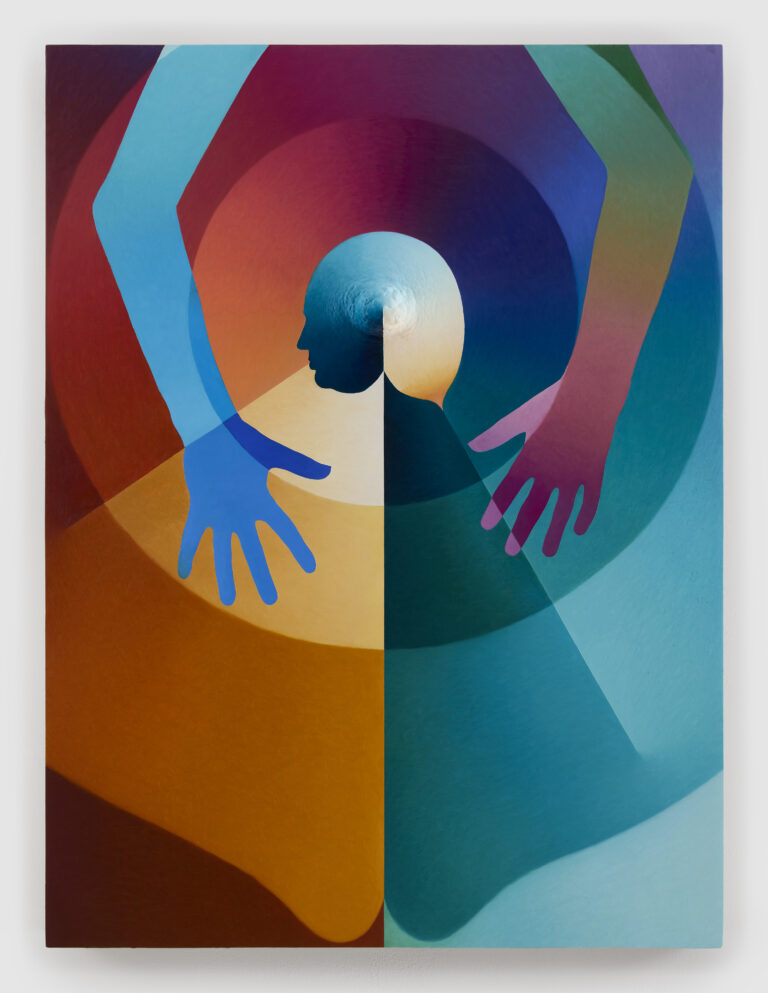
Hollowell, Loie
Mother Radar in green and orange, 2026
oil, acrylic medium, aqua resin, epoxy resin, and sawdust on linen over panel
28″ × 21″ × 3″ (71.1 cm × 53.3 cm × 7.6 cm)
© Loie Hollowell
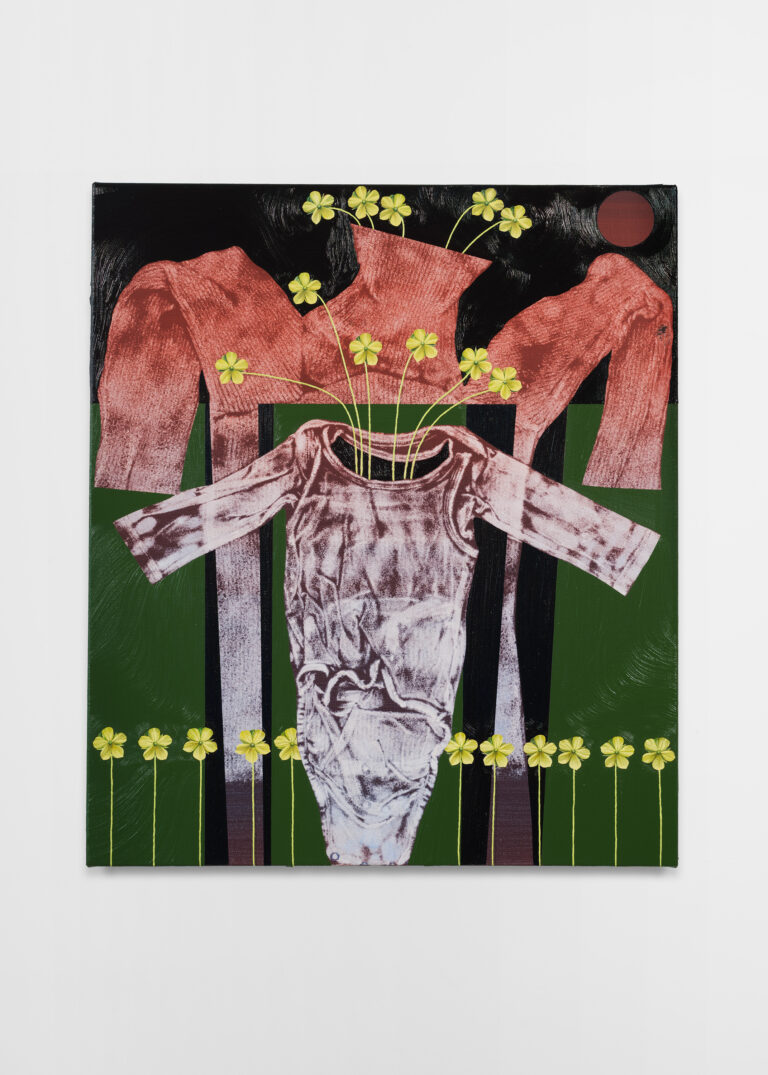
Pausova, Veronika
Dwelling (Under a Small Moon), 2026
oil on canvas
29″ × 25″ (73.7 cm × 63.5 cm)
© Veronika Pausova
“Exquisite corpse” is a collaborative parlor game invented by Surrealist artists in 1925. Players take turns either writing words or drawing sections of a body on a folded sheet of paper, hiding their contributions so the next person can see and respond to only the very end of the previous work. Hollowell felt that this Surrealist concept was perfectly descriptive of how artists inspire and influence each other over time and distance.
As a result, feminism and the question of what it means to make a feminist image are central to this collection of works. Each artist reckons in her own way with the identity of “feminist”—from the earliest born, Kogelnik, who preferred not to be labeled as such, to the three contemporaries, who embrace the term and hold the investigation and depiction of gender and its complex cultural contexts to be central to their practices—all while working in yet another era of feminist backlash.