

Clemens Krauss
Sediments
11 SEP – 31 OCT 2026
Opening – 10 SEP 2026, 6–10 pm
Clemens Krauss
From the series ‘Sediments‘, 2026
Courtesy Galerie Crone, Berlin, Vienna
Clemens Krauss
From the series ‘Sediments‘, 2026
Courtesy Galerie Crone, Berlin, Vienna
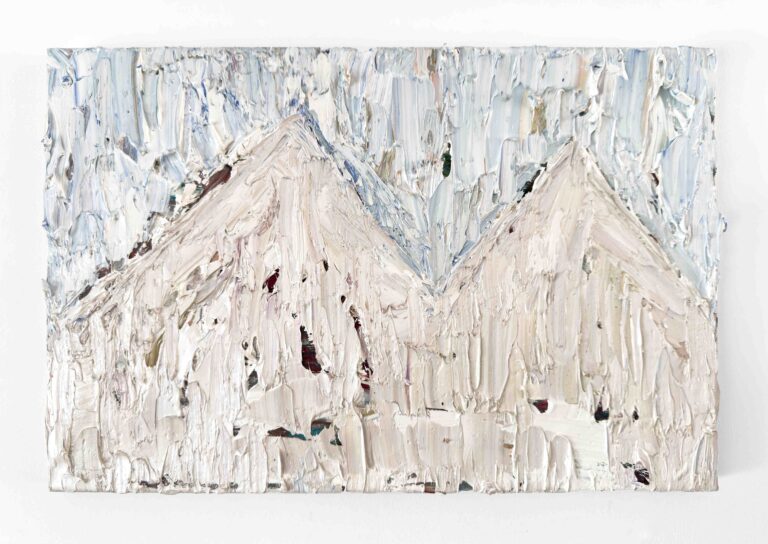
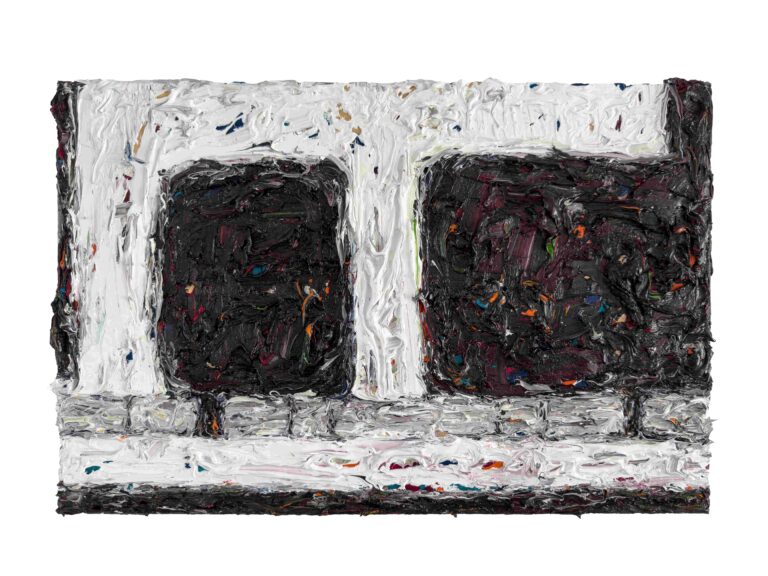
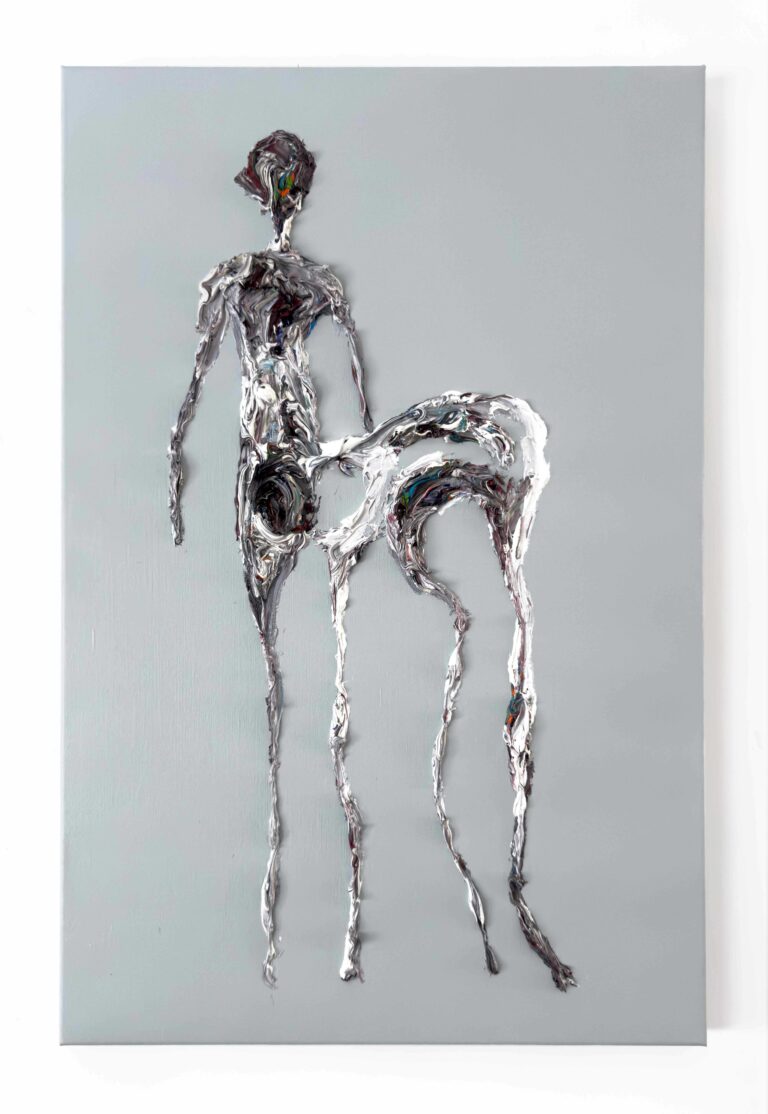
Berlin-based artist Clemens Krauss is renowned for his pastose paintings, in which he explores the relationship between the individual and the larger collective. With his new series Sediments, he turns his attention for the firsttime to the world of objects, the tangible and physical presence.
Replacing the human figure, Krauss now presents buildings, surfaces, and everydayobjects as vessels of temporality, history, and memory. In doing so, he shifts thefocus from interpersonal relationships to the corporeality of things, whilesimultaneously articulating a distance from an anthropocentric perspective.
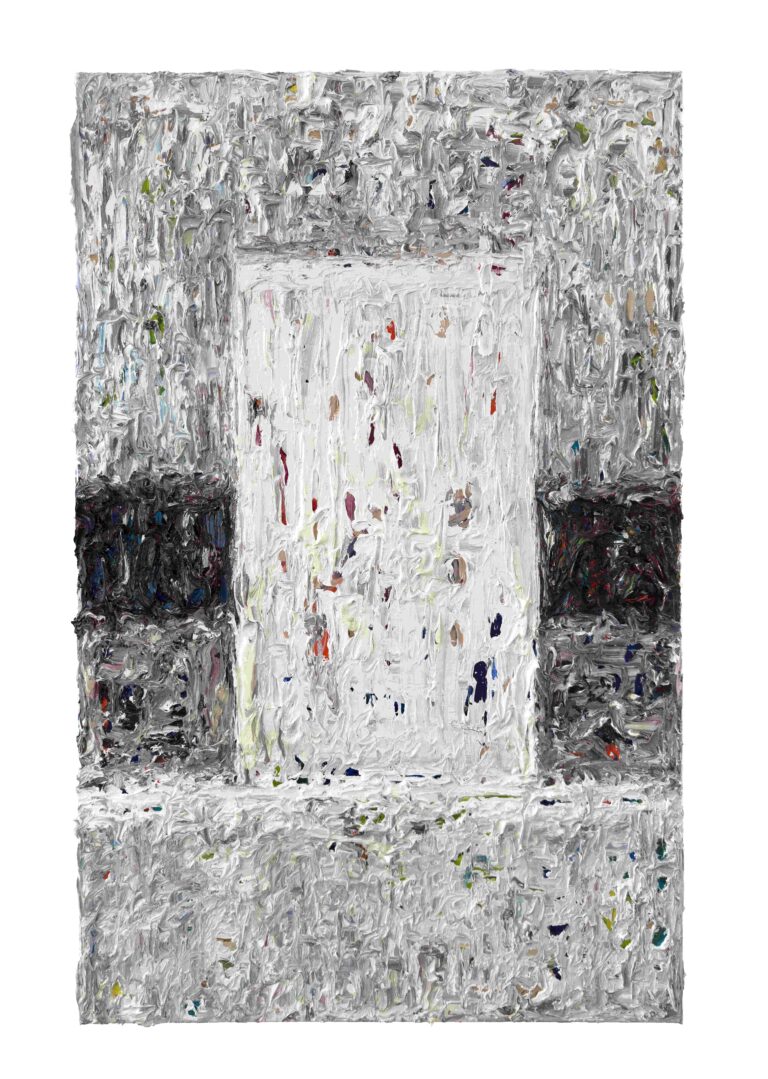
The artist’s characteristic thick, impasto application of paint remains central to thework. Layer by layer, Krauss deposits oil paint onto the canvas, creating relief-like surfaces that evoke geological sediments. Like natural processes of accumulation, time, movement, and material condense into complex, stratified structures. This principle of layering also reflects a fundamental aspect of his artistic thinking: thepsychoanalytic uncovering of hidden strata. Meaning does not emerge immediatelybut gradually develops through the accumulation of material and visual layers.
Light and shadow activate these sculptural surfaces, opening shifting perceptualspaces between image and object, surface and depth. Beneath the upper layers ofpaint, vivid flashes of color repeatedly emerge like traces of memory, revealingearlier states and making the temporal dimension of the painting process visible.
Clemens Krauss
From the series ‘Sediments‘, 2026
Courtesy Galerie Crone, Berlin, Vienna
Clemens Krauss
From the series ‘Sediments‘, 2026
Courtesy Galerie Crone, Berlin, Vienna
Psychoanalysis provides a conceptual framework in which body, material, and historyare understood as inseparable. Drawing on Sigmund Freud’s famous assertion that”the ego is first and foremost a bodily ego… ultimately derived from bodilysensations, chiefly those springing from the surface of the body,” corporealitybecomes the foundation of psychic organization. In this sense, Krauss regardspsychoanalysis as one of the few disciplines capable of bringing together matter, self-perception, memory, and subjectivity.
The new works originate in observations of urban environments. Architecture appears not simply as built form but as a sedimented repository of cultural, historical, and material processes. Materials such as stone, clay, concrete, and water possesstheir own temporality and material memory. In Krauss’s paintings they acquire an autonomous corporeality—understood as a sedimented relationship betweenmaterial, time, and environment. The works thus unfold a productive tension betweenconstruction and erosion, geometric order and painterly gesture. Sediments does not represent a rupture but a logical continuation of Krauss’s artistic practice, in whichthe boundaries between organic and inorganic matter, psychic and material history, as well as between image and object, increasingly dissolve.