

Gallery Portrait
Galerie Thomas Schulte
by Kito Nedo
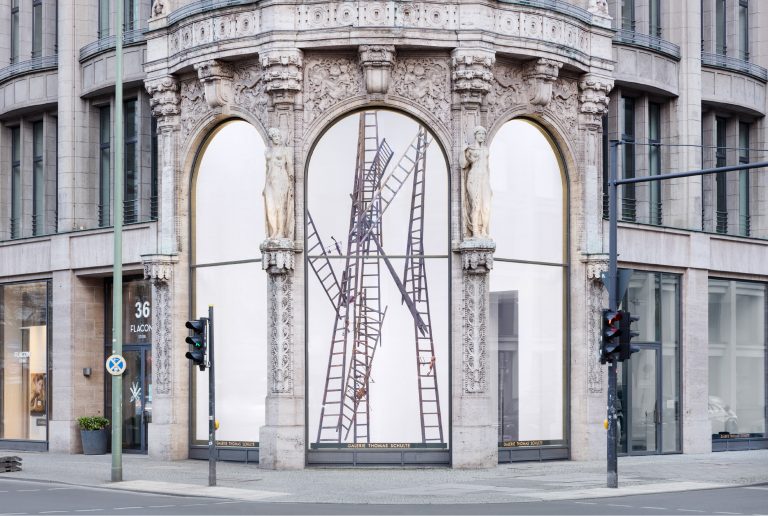
Rebecca Horn, Bee’s Planetary Map, 2021
Exhibition view, Corner Space of Galerie Thomas Schulte, Berlin-Mitte
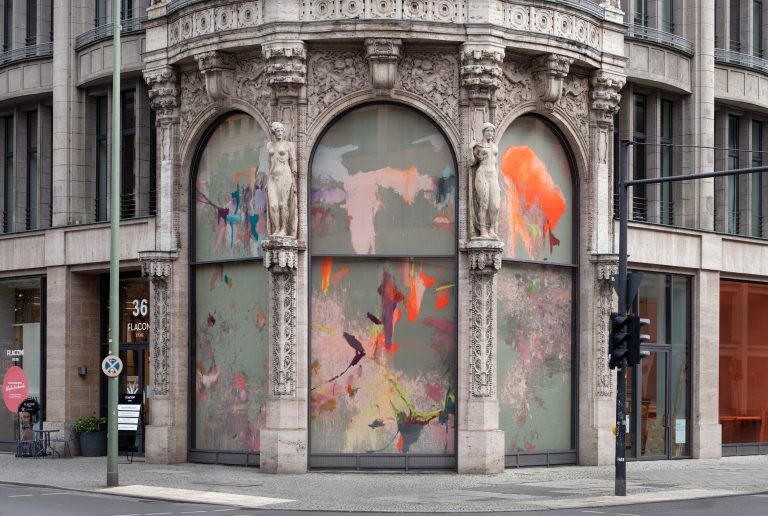
Michael Müller, Bikini on Mars, 2020
Exhibition view, Corner Space of Galerie Thomas Schulte, Berlin-Mitte
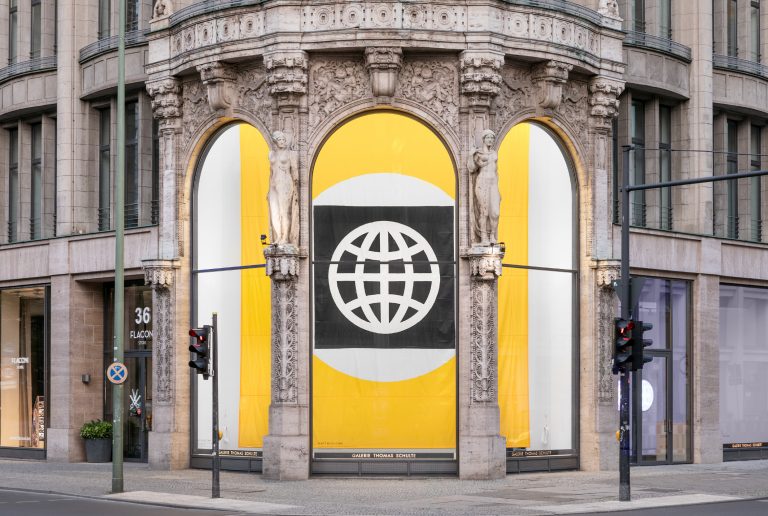
Matt Mullican, Red, Yellow, Green, In Time, 2019
Exhibition view, Corner Space of Galerie Thomas Schulte, Berlin-Mitte
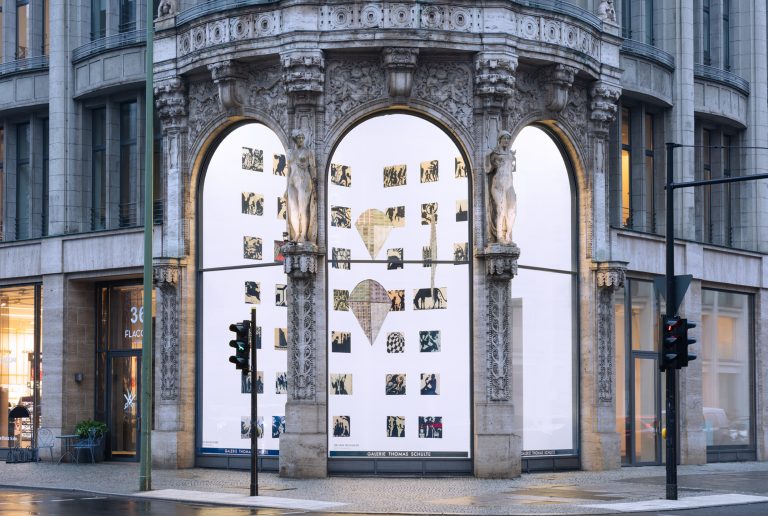
Julian Irlinger, Subjects of Emergency, 2018
Exhibition view, Corner Space of Galerie Thomas Schulte, Berlin-Mitte
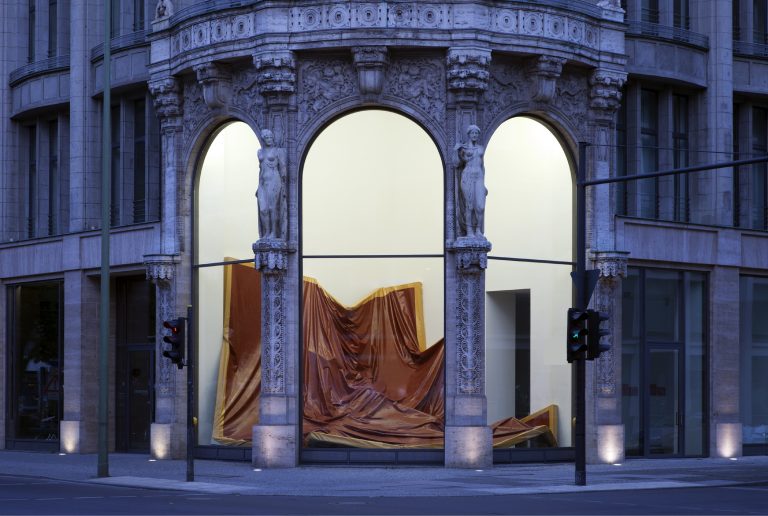
Angela de la Cruz, Knackered (Larger Than Life), 2015
Exhibition view, Corner Space of Galerie Thomas Schulte, Berlin-Mitte
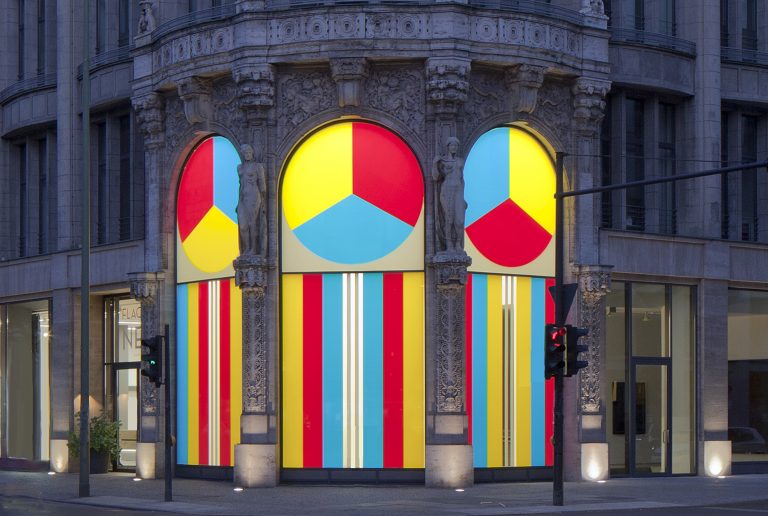
Daniel Buren, Triptych: a work in situ, 2016
Exhibition view, Corner Space of Galerie Thomas Schulte, Berlin-Mitte
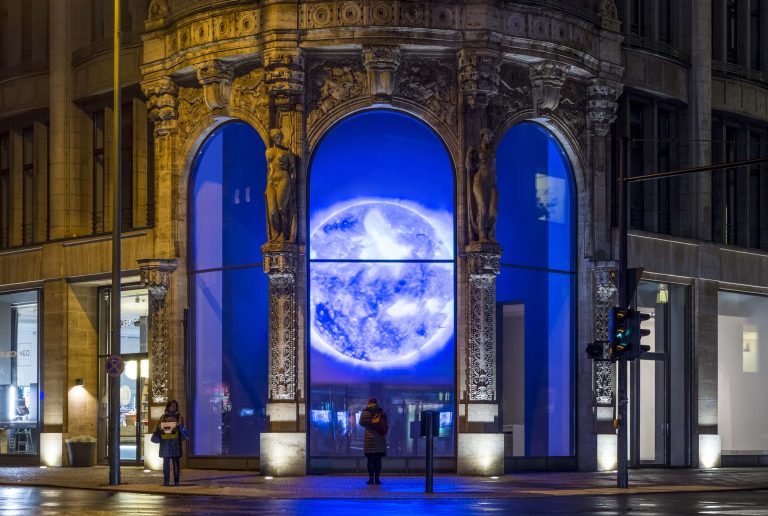
Katharina Sieverding, Looking at the Sun at Midnight, 2016
Exhibition view, Corner Space of Galerie Thomas Schulte, Berlin-Mitte
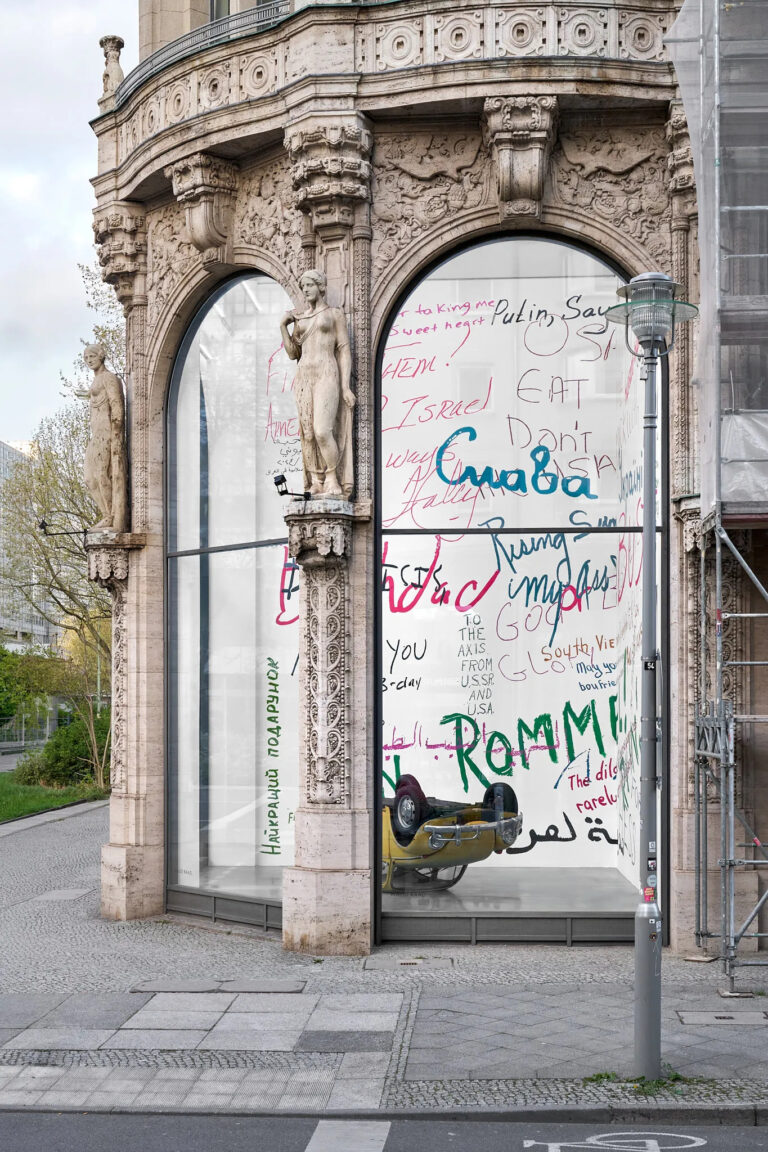
Walid Raad
Installation view Like a rubber rung on the ladder, Galerie Thomas Schulte, Berlin 2026
Courtesy: the artist and Galerie Thomas Schulte
No other Berlin gallery opens up to its urban surroundings as invitingly as Galerie Thomas Schulte. At the crossroads of Charlottenstraße and Leipziger Straße, near Checkpoint Charlie, the building attracts curious glances from passers-by with its brightly lit, floor-to-ceiling windows—especially during the darker times of the day and year. For an instant, exhibition and public spaces seem to merge almost seamlessly. The white cube’s hermetic tendencies are disrupted in a surprising and casual way. This is in keeping with the gallery’s mission, which values both artistic quality and public interaction.
As a programme-driven gallerist, Thomas Schulte champions conceptual artistic approaches. In his gallery, he presents artists who are internationally held in high esteem. These include the British abstract sculptor Richard Deacon, the Chilean installation artist Alfredo Jaar, and the American conceptual painter Pat Steir. For the past three decades, the gallery owner’s international ambitions have made him part of a small, pioneering generation of cultural entrepreneurs. Their continuous work over the years significantly contributed to the internationalization of Berlin’s art scene. Before coming to Berlin, Schulte lived in New York for several years, where he worked as an assistant curator at the Museum of Modern Art and as the director of an established American gallery.
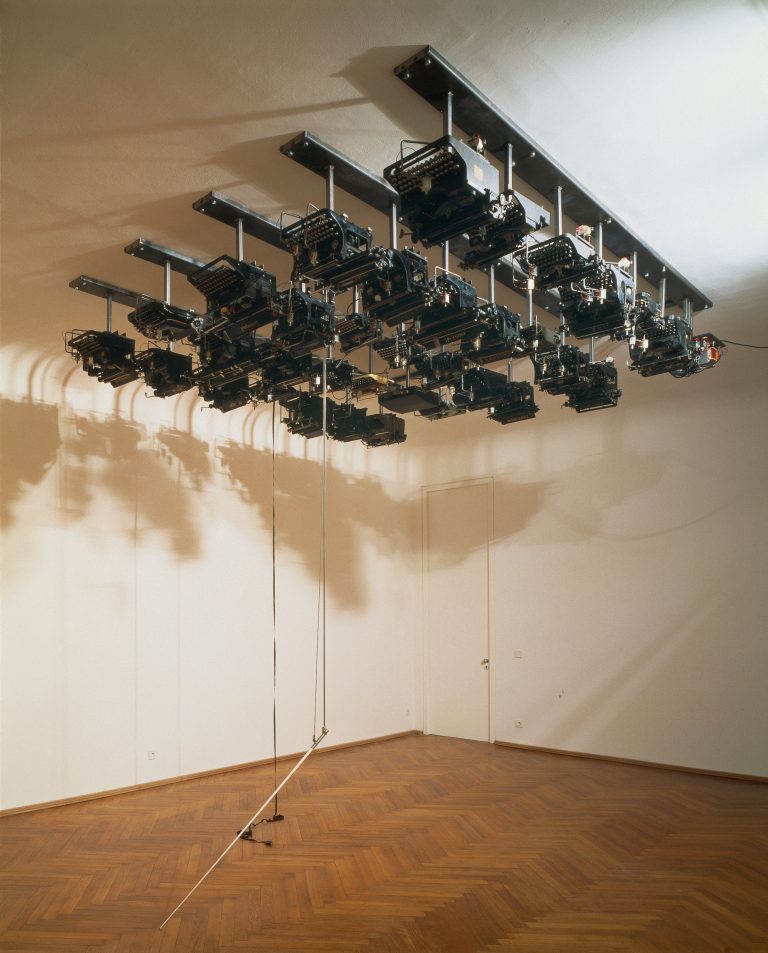
Rebecca Horn, Chor der Heuschrecken, 1991
Exhibition view, Galerie Franck + Schulte, Berlin-Charlottenburg
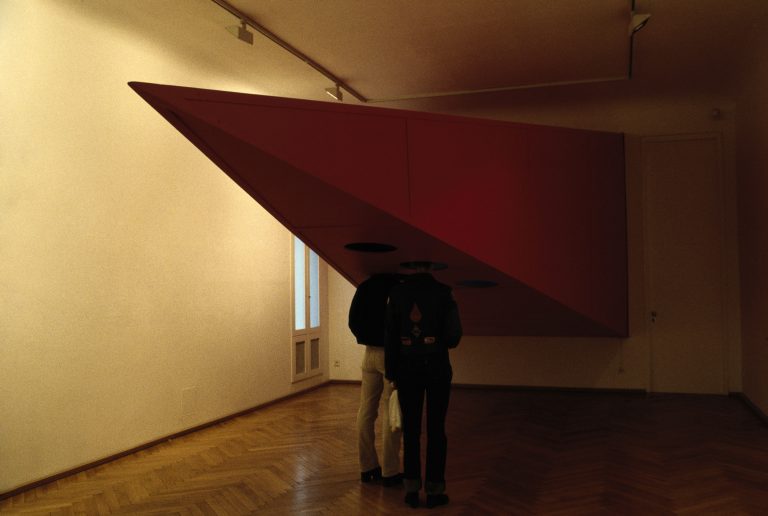
Pipilotti Rist, 1995
Exhibition view, Galerie Franck + Schulte, Berlin-Charlottenburg
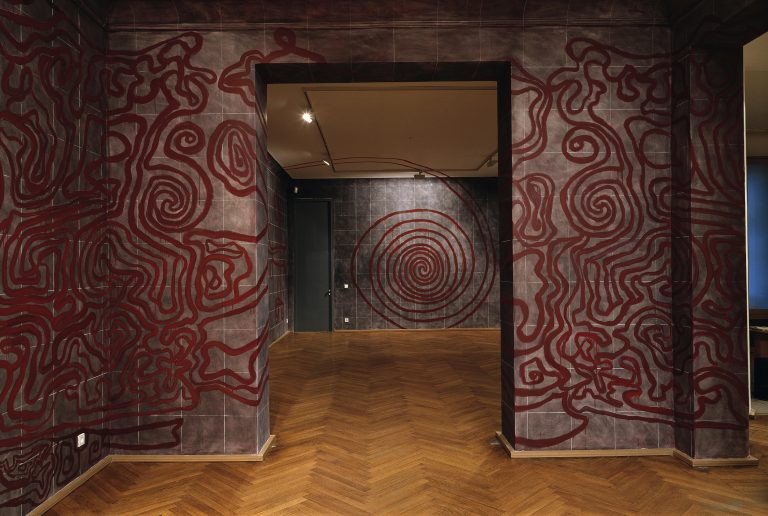
Pat Steir, 1991
Exhibition view, Galerie Franck + Schulte, Berlin-Charlottenburg
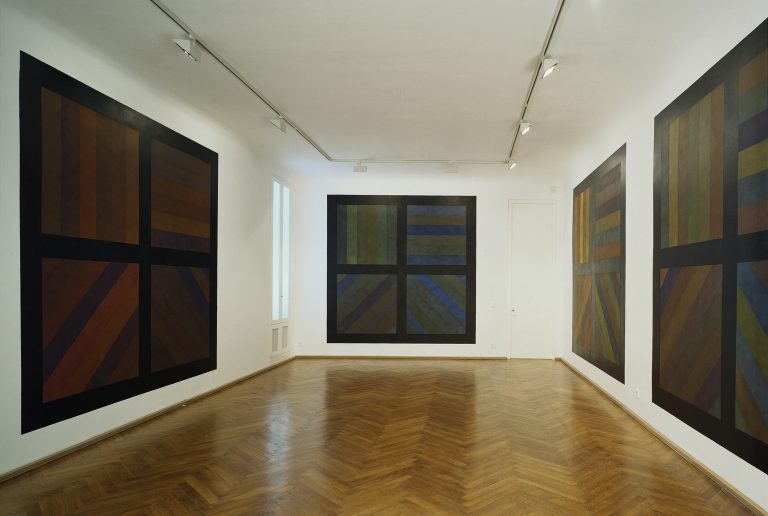
Sol Lewitt, Walls, 1996
Exhibition view, Galerie Franck + Schulte, Berlin-Charlottenburg
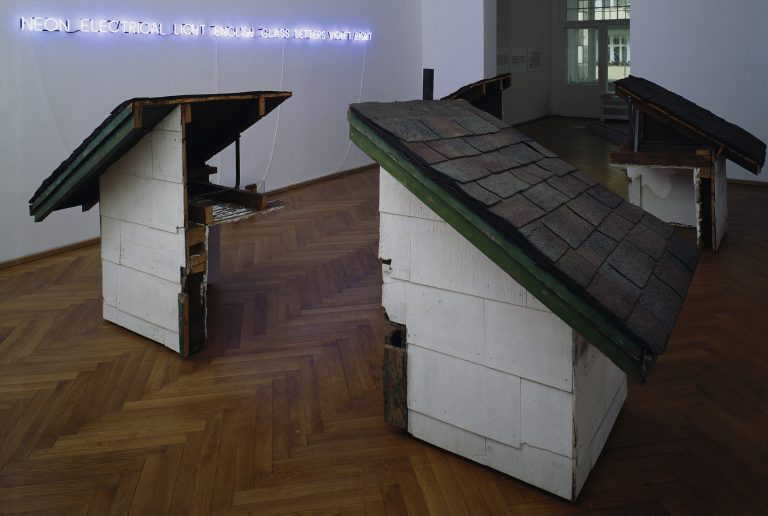
Gordon Matta-Clark, Bingo, 1994
Exhibition view, Galerie Franck + Schulte, Berlin-Charlottenburg
Schulte has been exhibiting art in Berlin-Mitte since 2006. Since 2024, a second exhibition space in the Mercator Höfe on Potsdamer Straße has complemented the gallery’s main location on Charlottenstraße. However, the gallery has its roots in Charlottenburg. Still under the name Franck & Schulte, the gallery opened its first exhibition on Mommsenstrasse in April 1991. It was a spectacular installation by the artist Rebecca Horn, titled Chor der Heuschrecken (Chorus of Locusts). The documenta artist’s work featured more than thirty clattering antique typewriters, which were electronically controlled and hung from the gallery’s ceiling. Even though around 5,000 art enthusiasts were eager to see it, starting a gallery was not an obvious move at the time. On the contrary. Due to the first Iraq war, the international art market had fallen into a severe crisis at the beginning of the nineties. Signs of recovery were slow. Yet, this did not dissuade the gallery owner. Exhibiting photographs by Robert Mapplethorpe and Katharina Sieverding, clock objects by Andrea Zittel, and art by Alighiero Boetti, Stephen Willats, and Gordon Matta-Clark, the gallery soon cemented its reputation as a place for internationally renowned contemporary art. To this day, Schulte has remained committed to this high-quality standard.
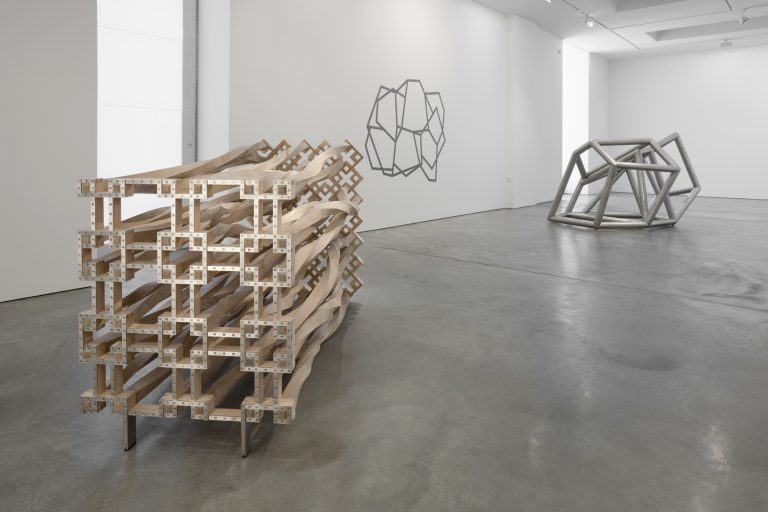
Richard Deacon, Add & Substract, 2009
Exhibition view, Galerie Thomas Schulte, Berlin-Mitte
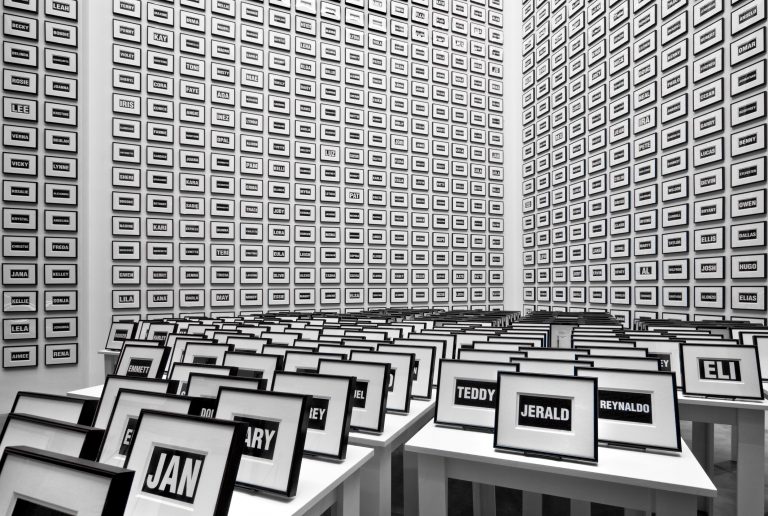
Allan McCollum, Each and Every One of You, 2011
Exhibition view, Corner Space of Galerie Thomas Schulte, Berlin-Mitte
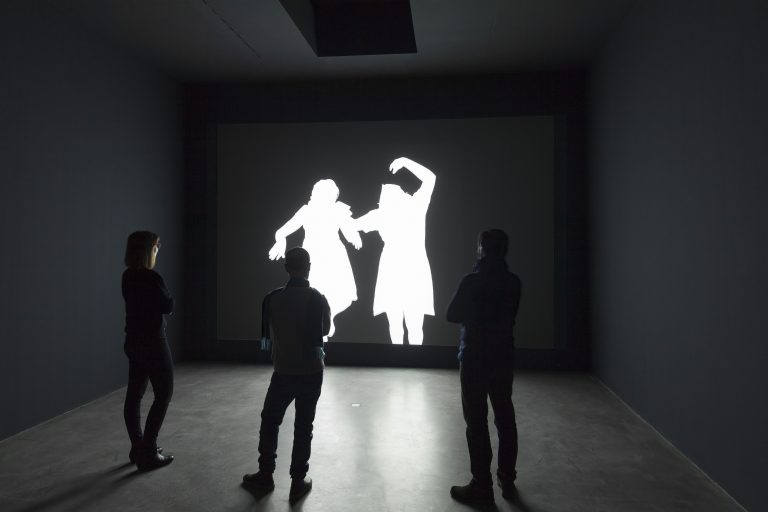
Alfredo Jaar, Shadows, 2017
Exhibition view, Galerie Thomas Schulte, Berlin-Mitte
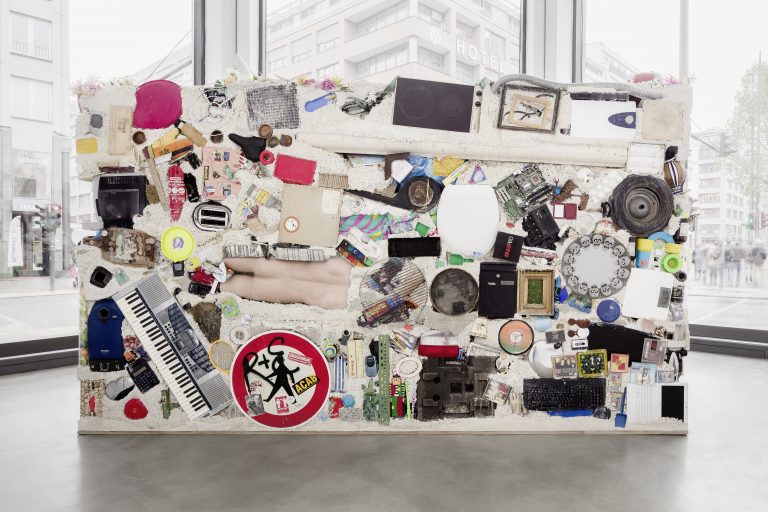
Gordon Matta-Clark, Garbage Wall, 2017
Exhibition view, Corner Space of Galerie Thomas Schulte, Berlin-Mitte
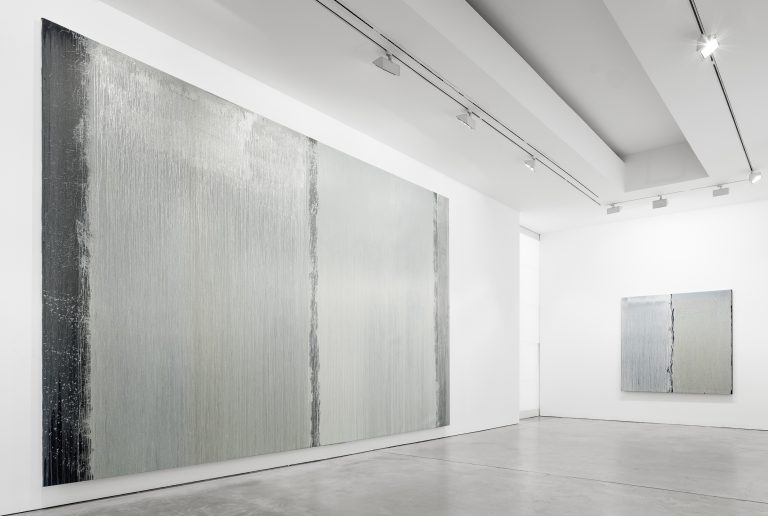
Pat Steir, Paintings, 2018
Exhibition view, Galerie Thomas Schulte, Berlin-Mitte
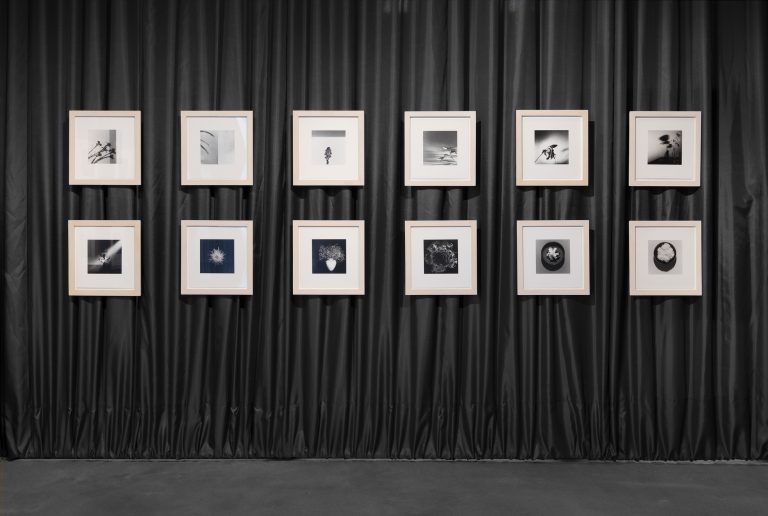
Robert Mapplethorpe, XYZ Portfolios, 2020
Exhibition view, Corner Space of Galerie Thomas Schulte, Berlin-Mitte
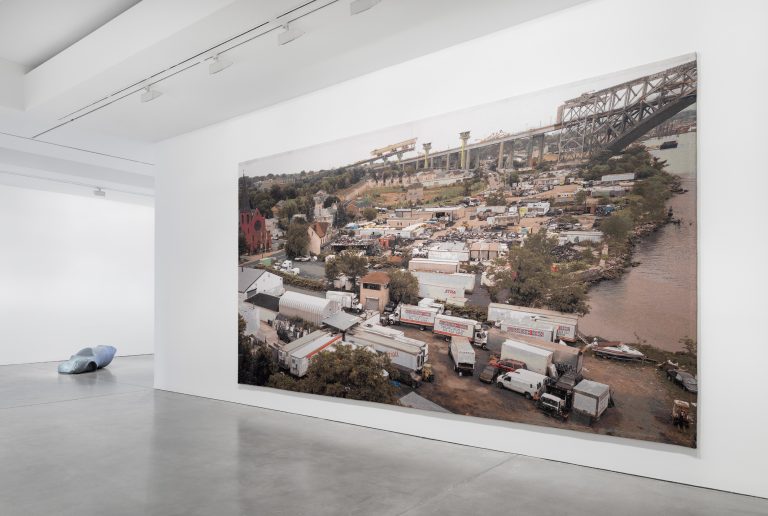
Group exhibition (Jean-Luc Moulène, David Hartt, et al.), Haptic Feedback, 2020
Exhibition view, Galerie Thomas Schulte, Berlin-Mitte
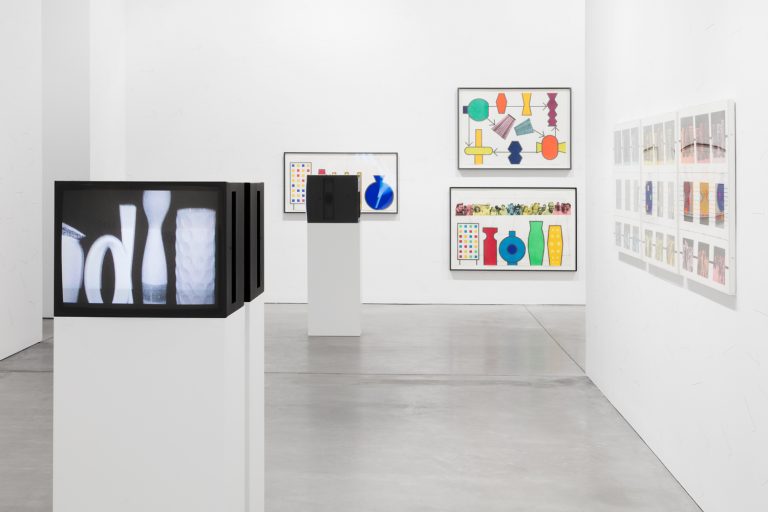
Stephen Willats, ENDLESS, 2017
Exhibition view, Galerie Thomas Schulte, Berlin-Mitte
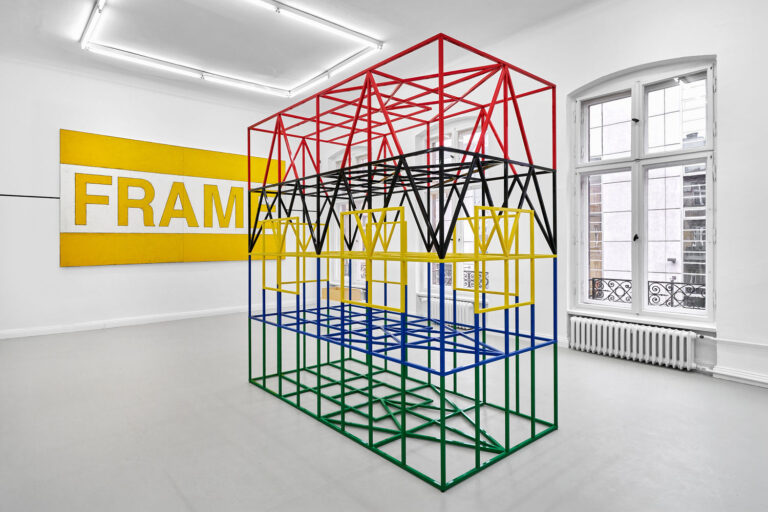
Matt Mullican
Installation view ABOVE AND BELOW THE THREE WORLDS, Galerie Thomas Schulte, Berlin 2026
Courtesy: the artist and Galerie Thomas Schulte