

Published on 15 JUL 2024
Gallery Portrait
Tanja Wagner
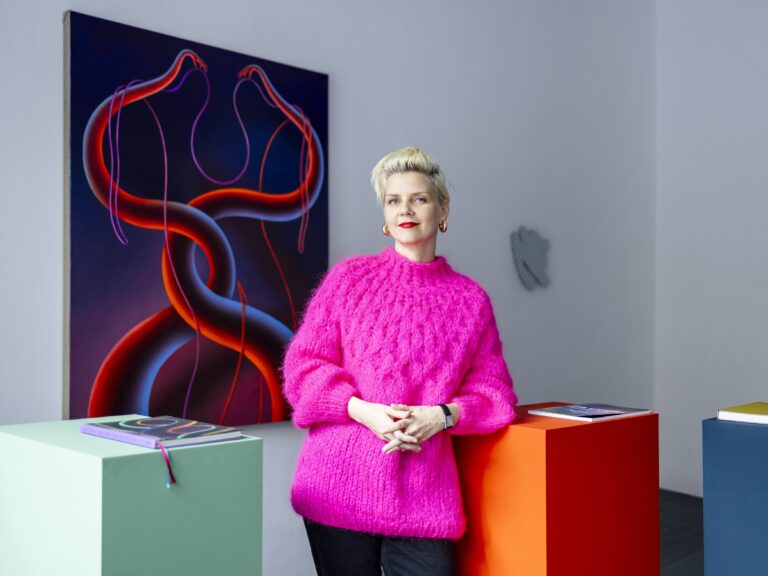
Tanja Wagner, 2024
Photo: Paula Winkler
Housed in a turn-of-the-century storefront just off Berlin’s bustling Kurfürstenstraße, Galerie Tanja Wagner celebrated its tenth anniversary in 2020 with the group exhibition How to Human. Founding director Tanja Wagner describes the title as the guiding principle behind everything she and her team strive for. “For me and the gallery, it’s all about exploring how to be human, how to reflect, build, feel, create a dialogue and build equality through awareness. Art is such an important way to offer a new vision and sensibility toward ourselves and society.”
With a roster of ten artists, Galerie Tanja Wagner’s programme provides a platform for artists from diverse backgrounds and favours discursive practices that address worn narratives, challenge pernicious hierarchies and posit possible futures.
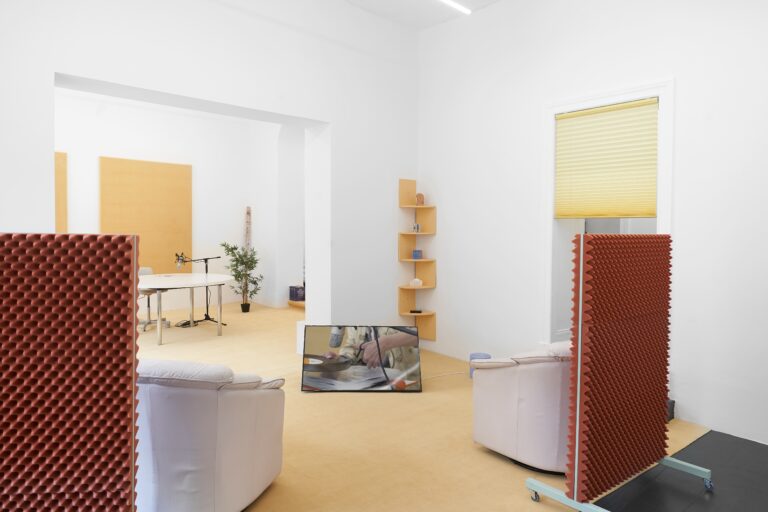
Anna Witt, 2022, Soft Destructions
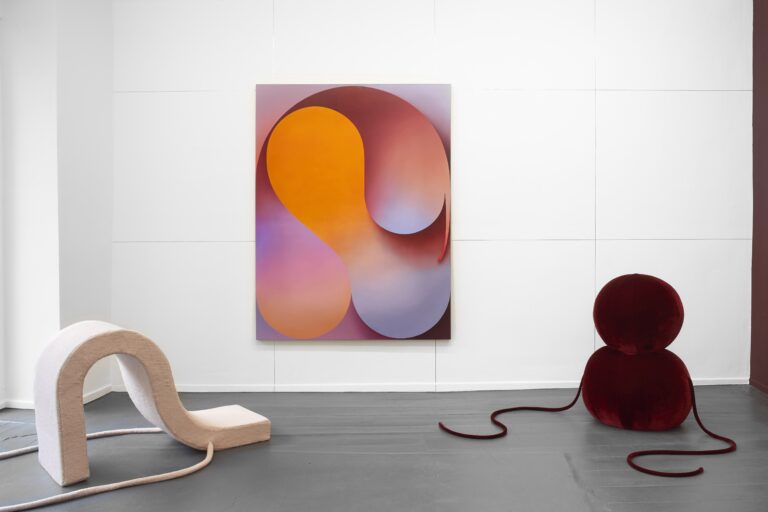
Grit Richter, 2020, Mixed Feelings
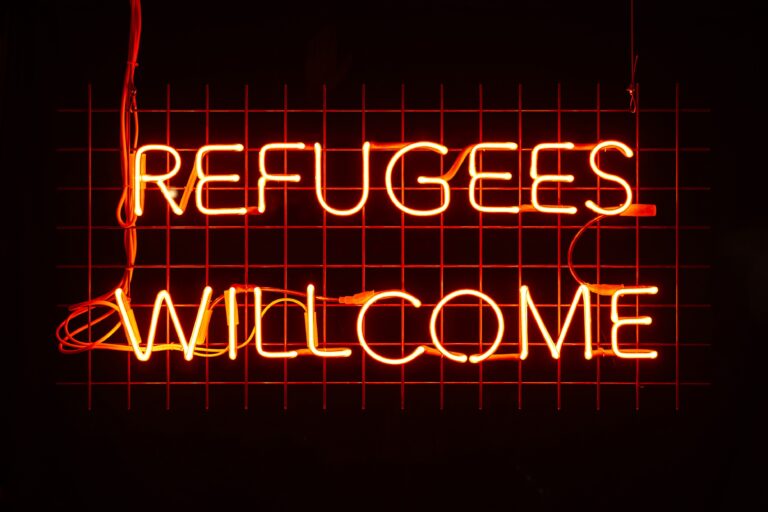
These thematic threads run through the work of the gallery’s artists across a wide variety of media. Šejla Kamerić’s powerful Refugees Welcome is a neon work that, upon closer inspection, reads “Refugees Will Come”, with the letters “ill” deliberately flickering as if broken. Exploring the emotional substructures of identity, Grit Richter’s intuitive abstract forms take shape in both oil paintings and sculptural works, such as her Fatigue Moms (03), a small mattress-shaped form slumped against the wall, representing a mother sagging in momentary defeat. Addressing questions around automation, artificial intelligence and utopian post-work ideals, Anna Witt’s three-channel video Unboxing the Future draws on participatory and performative concepts to reveal contemporary anxieties and hopes among Japanese factory workers. Kapwani Kiwanga’s Greenbook (1961) resurfaces a reality within living memory for African Americans, using partial facsimiles of the Negro Motorist Green Book, a directory of addresses where Black travelers could find safe places to stay across America.
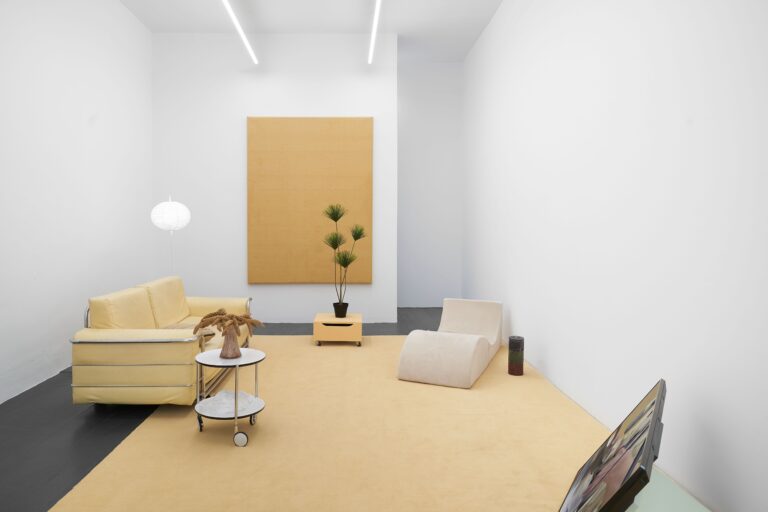
Anna Witt, 2022, Soft Destructions
Accompanying around six gallery exhibitions per year is a programme of performances, public talks and discussions with artists, critics and philosophers. Alongside its exhibitions in Berlin, Galerie Tanja Wagner regularly participates in international art fairs, including Frieze London, The Armory Show in New York, Art Cologne, ARCOmadrid, ArtRio and Art Basel Unlimited.
Originally from Bad Homburg near Frankfurt, Wagner studied art history in Berlin. After an art criticism class required her to visit galleries, she was so enthralled by her visit to Max Hetzler Gallery that she applied for an internship there, which continued throughout her studies. A semester in Paris, alongside an internship at the Centre Pompidou and further internships at PS1 and Gagosian Gallery in New York, cemented her decision to enter the gallery world. “I loved the pace of the turnaround of exhibitions, which is faster than at an institution, and being at that intersection between artist, production, realising the work, sales and where the work ends up, in a private home or a public institution.”
“To be the intermediary, navigating, to articulate the vision of the artist to all the different audiences is thrilling to me. I am also very aware of the persistently low percentage of female artists in institutional collections worldwide – so whenever we place a work by a fantastic female artist into a collection, for example, it’s art history in the making.”
Wagner continued to work at Max Hetzler Gallery in Berlin as she completed her studies and transitioned to a full-time position after graduation, eventually becoming a director. Her desire to open her own gallery, however, was a given; she wanted to show and represent her own generation and what they had to say, and in 2009 set out to establish Galerie Tanja Wagner.
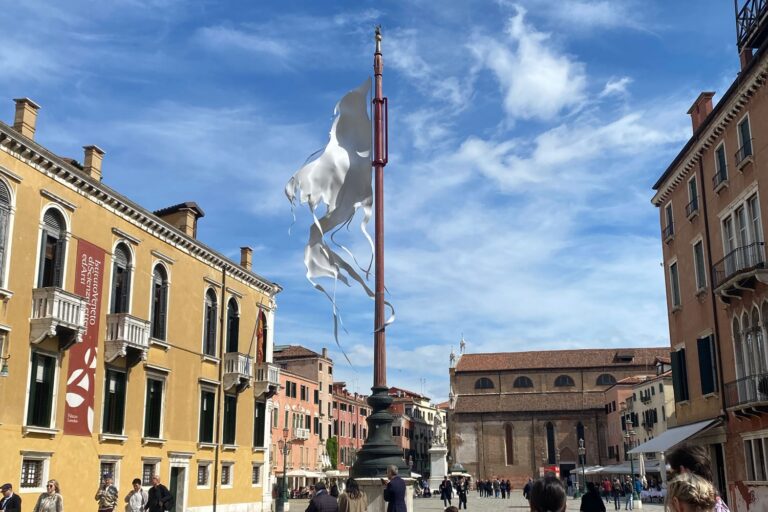
Šejla Kamerić, CEASE, Public Intervention in Venice
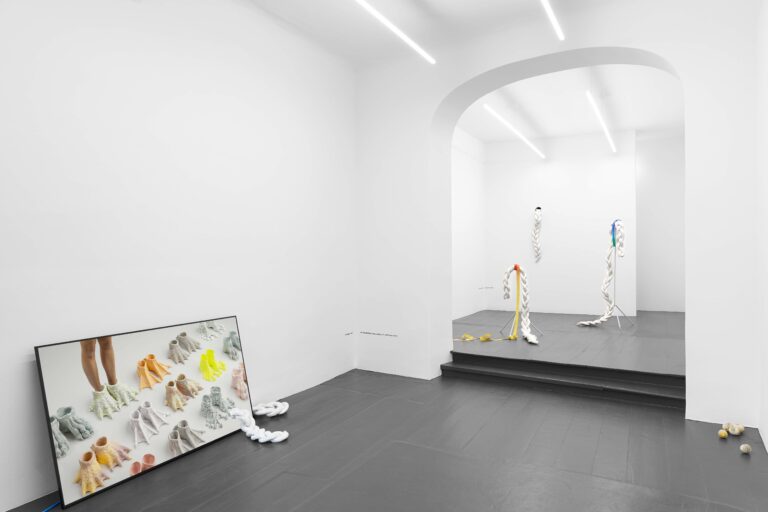
Elisa Giardina Papa, 2023, Flock She Preferred the Lineage of Goats and Ducks
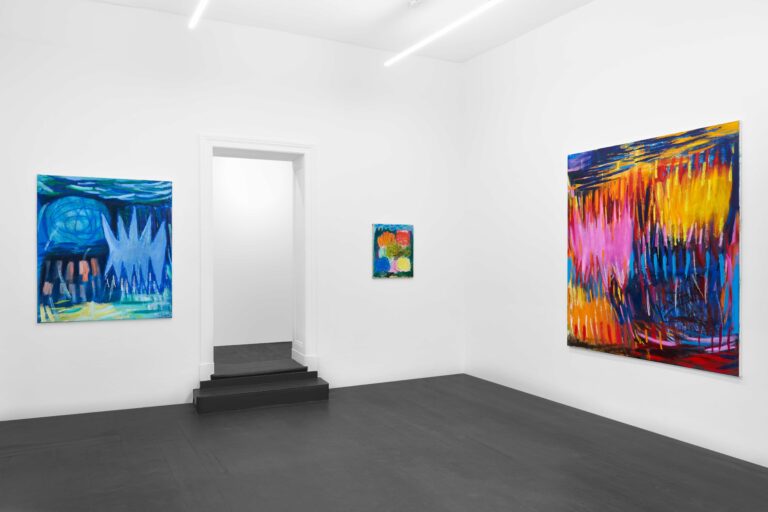
Anna Steinert, 2024, Was Am Tiefsten in der Welt liegt
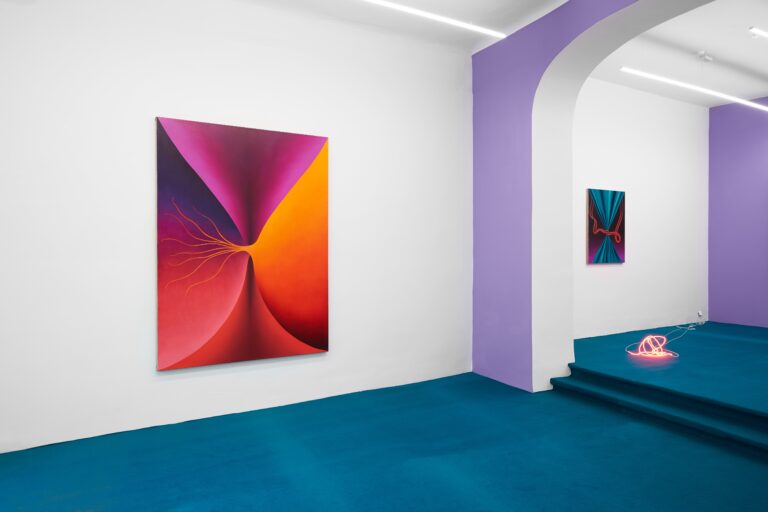
Grit Richter, 2022, Coping Strategies
The gallery now represents one male artist, Ulf Aminde, but Wagner insists that her choices are based on an artist’s sensibilities and the subjects their work explores rather than their gender.
“A gallery programme is of course very subjective, it’s a very personal choice, so of course I can’t represent everything, but looking into art history I feel the urge to fill in the gaps.”
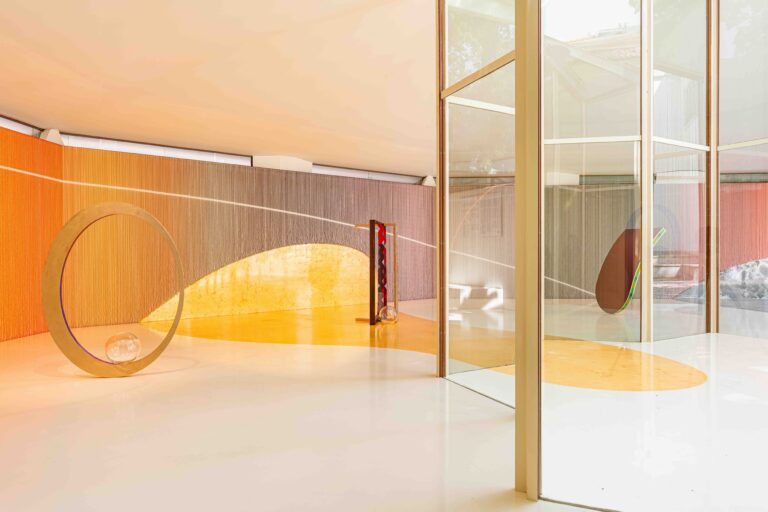
Kapwani Kiwanga, 2024, Canada Pavilion at La Biennale de Venezia,
Trinket
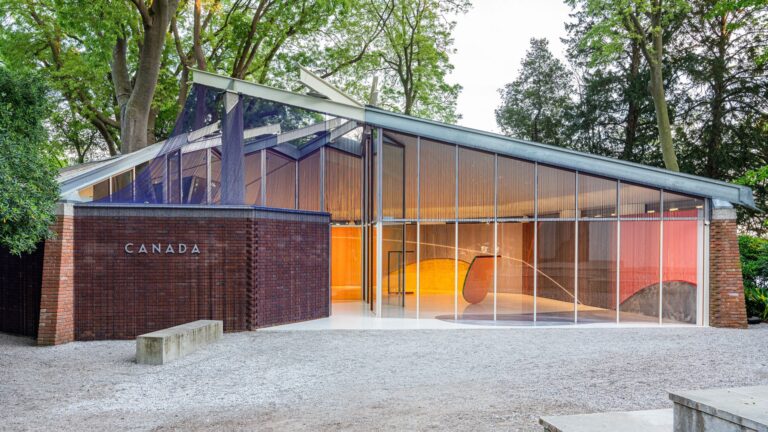
Kapwani Kiwanga, 2024, Canada Pavilion at La Biennale de Venezia,
Trinket
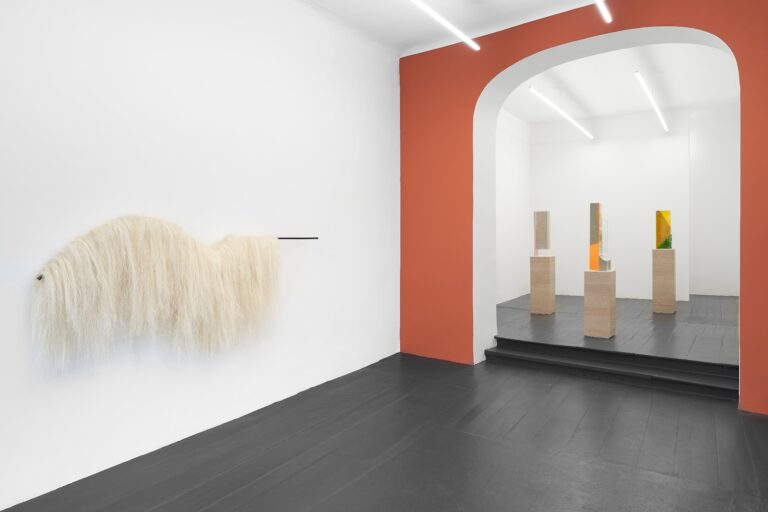
Kapwani Kiwanga, 2023, Raw
Wagner cherishes strong relationships with her artists and prefers to represent a modest number of artists, allowing her to support their careers fully. Under her stewardship, many have blossomed. In 2024, Kapwani Kiwanga, who has been represented by the gallery since 2014, when Tanja saw her performance Afro Galactica during a trip to ArtRio, represented Canada at the 60th La Biennale di Venezia. In 2020, Kiwanga won the Prix Marcel Duchamp, and in 2022, the Zurich Art Prize.